

Your Mitochondria Are Ageing. Here Is What That Actually Means — and What You Can Do About It
Mitochondrial dysfunction is the single most consistent feature across every age-related disease studied in modern biology. Understanding what your mitochondria do, why they decline, and what the most credible interventions are is not niche science. It is the most practical thing you can understand about your own ageing.
The word "mitochondria" appears more often in supplement marketing than in any legitimate scientific context — which is unfortunate, because the science of mitochondrial decline and its relationship to ageing is genuinely important, well-established, and directly actionable. Let us separate what is real from what is marketing language.
What Mitochondria Actually Do
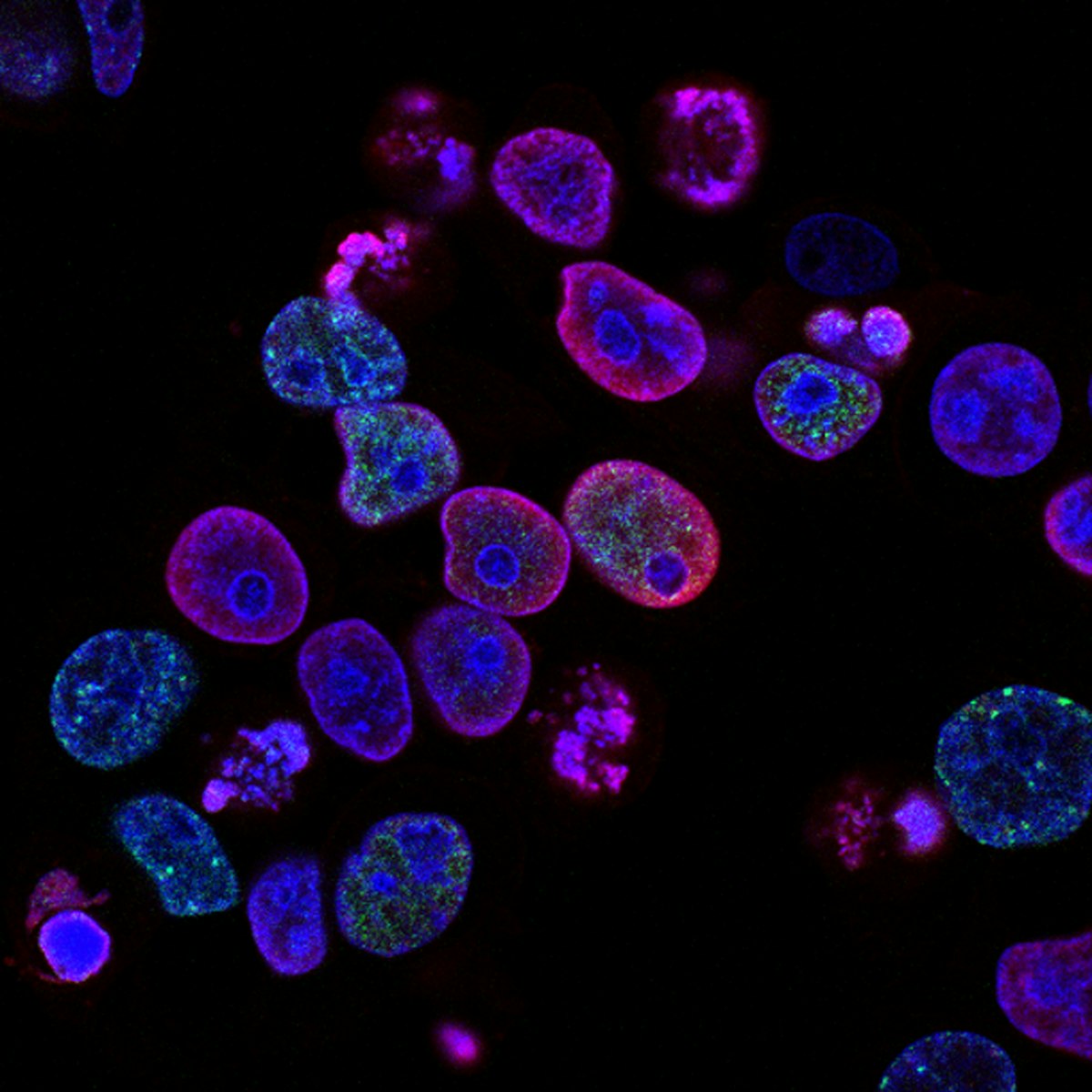
Mitochondria are the organelles inside nearly every cell in your body responsible for producing ATP — adenosine triphosphate — the energy currency that powers every biological process from muscle contraction to neurotransmitter synthesis. A single cell may contain hundreds to thousands of mitochondria. Cells with the highest energy demands — heart muscle cells, neurons, liver cells — have the most. The mitochondria in your heart never stop. They produce ATP continuously from the moment you are conceived until the moment your heart stops.
Beyond energy production, mitochondria regulate apoptosis (programmed cell death), calcium signalling, and the production of reactive oxygen species (ROS) — the free radicals that cause oxidative damage. They are not just power plants. They are also the switches that determine whether a cell lives, repairs itself, or dies.
Why They Decline — and Why It Matters
Mitochondrial decline is driven by several interacting mechanisms:
- NAD+ depletion — mitochondria require NAD+ as an electron carrier in the energy production chain. As NAD+ levels fall with age, mitochondrial efficiency falls with them. NAD+ levels decline by approximately 50% between age 20 and 50.
- Oxidative damage accumulation — mitochondria generate ROS as a byproduct of energy production. Over time, this oxidative damage accumulates in mitochondrial DNA (which has fewer repair mechanisms than nuclear DNA), degrading efficiency further.
- Impaired mitophagy — the process by which damaged mitochondria are cleared and replaced slows with age. Dysfunctional mitochondria accumulate rather than being recycled.
- Reduced biogenesis — the production of new mitochondria (biogenesis), stimulated primarily by exercise and caloric restriction, also declines with age and sedentary behaviour.
The downstream consequences of mitochondrial decline are not abstract. They manifest as fatigue, cognitive slowing, reduced physical capacity, longer recovery, and increased susceptibility to the chronic diseases of ageing — all of which have mitochondrial dysfunction as a common thread.
"Mitochondrial dysfunction is not a cause of ageing in the way a broken bone is the cause of pain. It is a mechanism of ageing — one that compounds on itself and that the most credible longevity science is now focused on reversing."
Alchemy Fit — Longevity ScienceThe Three-Compound Mitochondrial Protocol
The most credible interventions address the mitochondria from multiple angles simultaneously.
NMN — restoring the fuel supply
NMN (600mg) is an immediate NAD+ precursor that raises intracellular NAD+ levels, restoring the electron carrier supply that mitochondrial energy production requires. This is the most direct and well-researched approach to improving mitochondrial function non-pharmacologically. Stack with TMG 600mg to protect the methylation pathway. Read why here.
R-ALA — neutralising the oxidative damage
Alpha Lipoic Acid (R-ALA, 600mg) is one of the few antioxidants that operates within the mitochondria themselves. It neutralises the ROS generated as a byproduct of energy production and — uniquely — regenerates other antioxidants including vitamin C, vitamin E and glutathione back to their active forms after they have been oxidised. This is the maintenance layer: ensuring that the mitochondria you have are protected from the oxidative damage they generate. Read the full R-ALA explainer here.
Exercise — the non-negotiable
No supplement replaces the mitochondrial biogenesis stimulus of physical exercise. Zone 2 cardio — sustained aerobic effort at conversational intensity for 30–45 minutes, four or more times per week — is the most consistent trigger for new mitochondria production identified in the research. Resistance training adds a complementary stimulus. The supplements support a system that exercise is building. They do not substitute for it.
Editorial note: This article is for informational and educational purposes only and does not constitute medical advice. These statements have not been evaluated by the MHRA. Consult a qualified healthcare professional before beginning any supplementation.